
Germantown City Directory Collections
There is not a published, verified shelf list for a Germantown-only directory run. The useful starting points are instead a regional Memphis directory series, a Memphis-area telephone collection that names Germantown, and the non-circulating holdings of the Germantown Regional History and Genealogy Center. That distinction matters. A volume that is useful for Germantown may cover several communities, and a search should not treat a Memphis title as proof that every year includes a Germantown listing.
| Collection | Years shown | Where held | How to use it |
|---|---|---|---|
| Memphis City Directories | 1849–1943 listed | Shelby Register archive | Public browse; confirm Germantown coverage in each volume. |
| Memphis-area telephone directories | Exact run not identified | Library of Congress collection and local research holdings | Catalog and volume check; Germantown is named in the title. |
| GRHGC microfilm | More than 440 rolls; directory years not itemized | Germantown Regional History and Genealogy Center | In person, non-circulating research material. |
| Germantown History Collection | Dates vary by item | GRHGC | Clippings, maps, photographs, oral history, and vertical files. |
The Shelby Register archive provides the regional directory browse controls, while the GRHGC is the local fallback when a web browse does not answer the question. Ask the Center for the call number, year-by-year coverage, and whether a reverse or criss-cross volume exists before making a special trip.
Note: A gap in a directory sequence may reflect the collection, not a household’s absence from Germantown.
Germantown City Directory Research Room
The Germantown Regional History and Genealogy Center is the special-collections division of the Community Library. Its materials include books, ephemera, microfilm, computer files, photographs, maps, periodicals, and vertical files. The Germantown History Collection holds local clippings and papers about cemeteries, churches, clubs, historic homes, parks, city government, and notable residents. That makes the Center a strong place to extend a city directory entry after a name or address has been found.
Current listed hours are Monday from 10 a.m. to 2 p.m., plus Tuesday, Thursday, and Saturday from 10 a.m. to 4 p.m. The collection is at 7779 Poplar Pike, and the listed telephone number is (901) 757-8480. Materials do not circulate. The adjacent Tennessee Genealogical Society warns that closures can occur, so confirm hours before travel. Staff can help identify an appropriate shelf or microfilm run, but the research did not locate a public catalog that promises a particular Germantown city directory year.
GRHGC
Germantown Regional History and Genealogy Center
7779 Poplar Pike
(901) 757-8480
Research tools
Library research tools list Ancestry Library Edition, HeritageQuest, Fold3, HistoryGeo, Newspapers.com, Gale, and Tennessee sources.
Memphis City Directories for Germantown
The Register archive lists Memphis City Directories from 1849 through 1943 and exposes City Directory, Section, and Alpha browse fields. It is a valuable regional lead, especially when a historical person may have been recorded under Memphis or Shelby County rather than a later Germantown label. It does not establish a Germantown-only run. Check the title page, publication area, and the actual alphabetical or street section for every year used.
Germantown’s place names also make careful browsing necessary. The community began as Pea Ridge, became Germantown in the nineteenth century, and temporarily used Neshoba during World War I. Older newspaper, local-history, and directory research should test those names as well as Germantown. The city’s growth after 1960 also changed the kind of record likely to exist, as rural and rail-centered references gave way to subdivision and corridor addresses.
For a visual starting point, the Register’s public directory and deed search displays the archive route used for regional browsing.
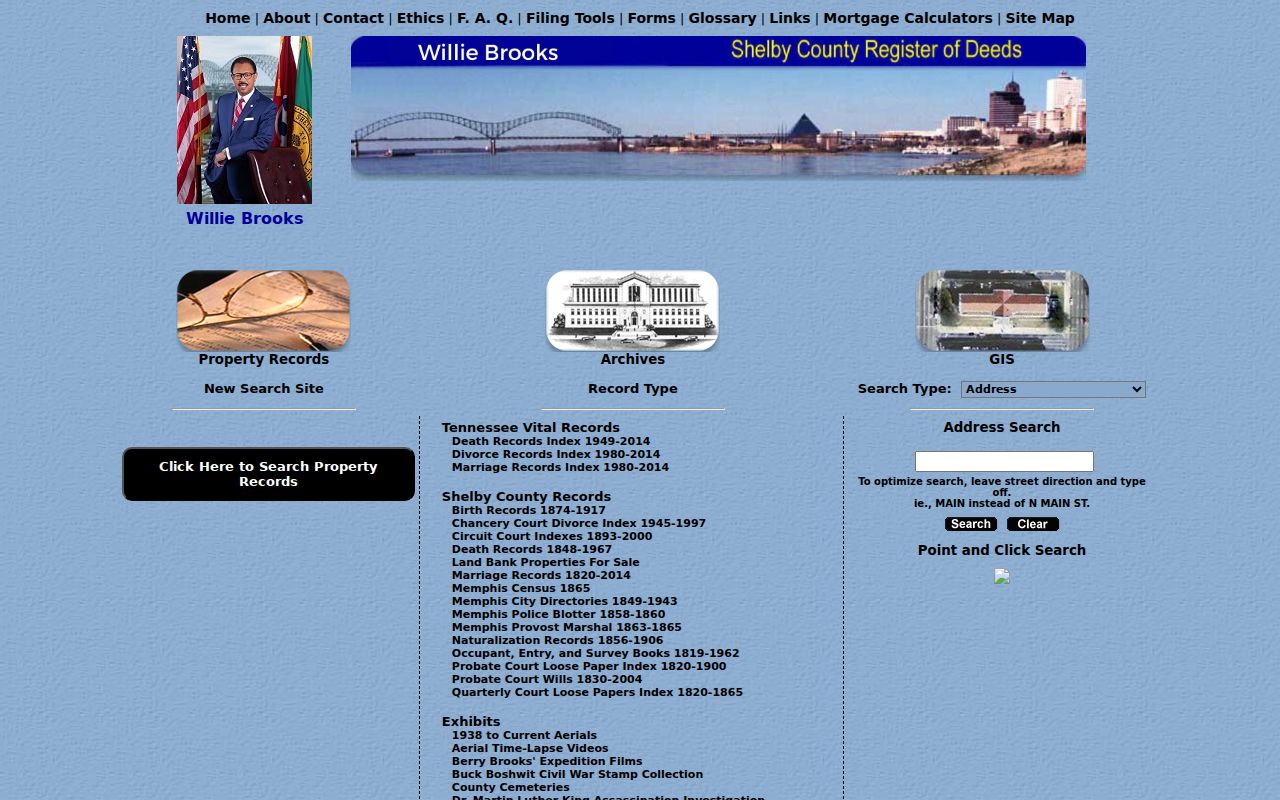
The screen is a route into both recorded-property material and the archive selections, so label any city directory citation with its actual collection and page rather than assuming a uniform online run.
Germantown City Directory Telephone Volumes
A Library of Congress telephone-directory collection title names Memphis, Arlington, Collierville, Germantown, Cordova, and Forest Hill. That confirms a broader telephone publication included Germantown as a named community. The research did not identify exact publication years or GRHGC call numbers for this run. Treat a telephone volume as a subscriber snapshot, then confirm its date and geographic scope from the volume or collection record.
A telephone listing can be helpful when an alphabetical city directory has no obvious entry. It may show a name and address, but it does not demonstrate ownership, every adult in a home, or any current relationship to the address. The Library of Congress advises readers to inspect a directory’s catalog record because a single publication can serve more than one community.
Note: A Germantown telephone listing identifies a dated subscriber entry, not a complete list of people at that address.
Read a Germantown City Directory Entry
Read the page as a historical transcription, not a modern profile. The Register’s archive makes the directory, section, and alpha selectors visible, but the research did not capture a Germantown-specific page. Do not assume every volume has the same fields. When a volume is open, transcribe the name exactly as printed, copy the address, note the year and page, and photograph or copy the abbreviation key before interpreting marks beside a name.
| Name | Preserve initials, spelling, and any household notation exactly as printed. |
|---|---|
| Address | Record the house number and street, then compare the historic form to a current parcel or plat only when needed. |
| Occupation or employer | Use only if the selected volume prints it; it can distinguish two people with the same name. |
| Telephone detail | Telephone volumes may identify a subscriber, not every person at that address. |
| Symbols and abbreviations | Interpret only from that volume’s own key, which may explain residence, boarding, widow, or other notation. |
- Criss-cross directory
- A directory arranged by street and address rather than by surname. A local run must be confirmed before relying on one.
- Householder index
- An index organized around the person or household heading used by that volume, not necessarily every resident.
- Abbreviation key
- The publisher’s explanation of the shorthand on its pages. It belongs with the cited year because meanings can vary.
Pair Germantown City Directories With Census
Federal census schedules publicly released through 1950 offer a different kind of evidence. A census is a household enumeration taken on a fixed schedule. A city directory is a name or address snapshot made for publication. Pairing them can help explain a move, a spelling change, a widow notation, or a family’s relation to an address between census years. Boundary context still matters because Germantown changed greatly as the city developed.
- Find the name or address in an identified directory or telephone volume and save the year and page.
- Check the prior and following available directory years for moves, initials, and changed household notation.
- Use the nearest released federal census to compare the household at that time.
- Check a deed, plat, or newspaper item when the address changes form or ownership needs confirmation.
- Keep the historic printed address separate from the current parcel’s situs address.
HeritageQuest, available through the library where access is offered, covers federal census material through 1930. GRHGC also holds more than 440 microfilm rolls that include census records, court records, and newspaper abstracts. For later historical vital or probate context, Tennessee Virtual Archive and FamilySearch provide additional pathways with access that can vary by item.
Note: Cite the Germantown directory year and the census date separately because they capture a household at different moments.
Germantown City Directories and Local Memory
A directory result becomes more useful when placed beside local materials. GRHGC has cemetery and church records, oral-history recordings, historical maps, photographs, and local-clipping files. The Register archive adds county cemetery material, Elmwood daily burial records from 1853 to 1919, gravestone inscriptions, and historical exhibits. These sources can help distinguish a person with a common name or identify a family connection after the directory has provided a time and address.
The Germantown Historical Preservation Association offers an online history museum covering local places, people, government, and the train depot.
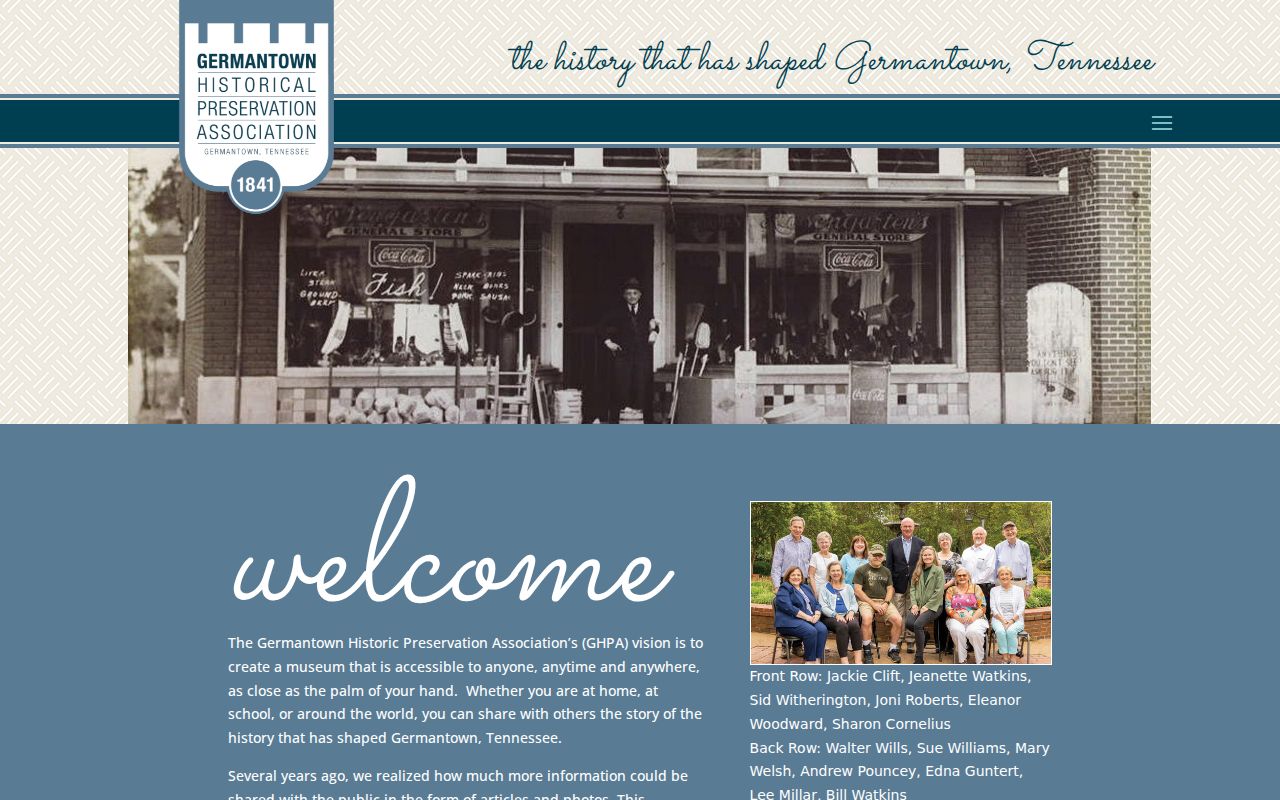
Use its historical context to frame a dated directory entry, then preserve the entry itself as the source for the name and address claim.
Note: A cemetery, obituary, or oral-history mention can support family history, but it does not turn a directory snapshot into a complete household record.
Trace Households Through Germantown Directories
For a family-history trail, begin with the exact name or older address, search the regional directory carefully, and keep a two-column log for historic and current address forms. A household that disappears may have moved, changed spelling, remarried, died, or simply gone unlisted. The next record should answer the uncertainty rather than repeat the same search. Directory collections themselves need close shelf and volume verification, which is why the archive and GRHGC are central to this work.
When an old address requires a current property bridge, use the parcel and recorded-document route rather than treating a city directory as proof of title. For modern address-keyed records, the Germantown street directory covers the assessor, GIS, and deed path.
Research tip. Search Pea Ridge, Germantown, Neshoba, Shelby County, and Memphis as separate historical place labels when a surname-only search fails.